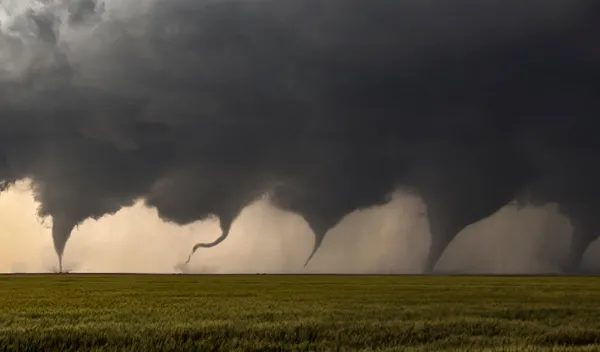
Tornado Warning Ponoka: Severe Storm Threat Prompts Urgent Safety Alerts Across Central Alberta
A tornado warning was issued for Ponoka, Alberta, as severe thunderstorms moved across central Alberta. Get the latest updates, safety advice, storm impacts, and what residents need to know.
Tornado Warning Issued for Ponoka as Dangerous Storms Sweep Across Central Alberta
A tornado warning for Ponoka, Alberta, has drawn significant attention as powerful thunderstorms capable of producing tornadoes, destructive winds, large hail, and heavy rainfall moved across central Alberta. Residents were urged to seek immediate shelter after meteorologists detected conditions favorable for tornado development.
The warning comes as unstable atmospheric conditions combined with intense thunderstorms, creating an elevated risk of rotating storms capable of producing damaging weather. Emergency officials emphasized that tornadoes can form quickly and with little warning, making it critical for residents to act immediately when alerts are issued.
Why the Tornado Warning Was Issued
Meteorologists issued the tornado warning after identifying severe thunderstorms showing signs of rotation. These storms have the potential to produce:
- Tornadoes capable of causing structural damage
- Large hail that could damage vehicles, roofs, and crops
- Wind gusts exceeding 100 km/h
- Torrential rainfall leading to localized flooding
- Dangerous lightning capable of causing power outages and fires
Weather radar indicated that the strongest storm cells were moving across areas near Ponoka, prompting officials to advise residents not to wait until they see a tornado before taking shelter.
Areas Potentially Impacted
The tornado warning primarily affected Ponoka and surrounding communities in central Alberta, although severe weather conditions could extend into neighboring rural municipalities depending on the storm’s track.
Communities in the region were advised to closely monitor weather alerts as severe thunderstorms continued moving across the province.
What Residents Should Do Immediately
When a tornado warning is issued, immediate action can save lives.
Safety officials recommend:
- Move to a basement if available.
- If no basement exists, go to the lowest floor of a sturdy building.
- Stay away from windows, glass doors, and exterior walls.
- Shelter in an interior room such as a bathroom, closet, or hallway.
- Protect your head and neck with blankets, pillows, or a mattress.
- Avoid mobile homes and temporary structures.
- If driving, never attempt to outrun a tornado. Seek a sturdy building if possible.
Residents should also prepare emergency kits containing:
- Flashlights
- Batteries
- Bottled water
- First-aid supplies
- Mobile phone chargers
- Important medications
Potential Impacts of the Storm
Severe thunderstorms capable of producing tornadoes often cause widespread disruption, including:
Property Damage
Strong tornadoes can damage roofs, uproot trees, destroy outbuildings, and overturn vehicles.
Power Outages
Falling trees and damaged power lines may leave thousands without electricity.
Transportation Disruptions
Heavy rain, hail, and debris can create dangerous driving conditions on highways surrounding Ponoka.
Agricultural Concerns
Central Alberta’s farming communities could experience crop damage from hail, high winds, and excessive rainfall.
Emergency Officials Continue Monitoring Conditions
Weather forecasters continue tracking the storm system as it progresses across Alberta. Residents are encouraged to remain indoors until officials confirm the threat has ended.
Authorities stress that tornado warnings should always be taken seriously, even if no tornado is immediately visible. Many tornadoes are obscured by heavy rain or darkness.
How Tornado Warnings Differ From Tornado Watches
Many people confuse tornado watches and warnings.
A tornado watch means weather conditions are favorable for tornado development, and residents should remain prepared.
A tornado warning means a tornado has been detected by radar or reported by trained observers, requiring immediate protective action.
Staying Informed During Severe Weather
Residents should monitor:
- Official weather alerts
- Local emergency management updates
- Television and radio broadcasts
- Weather apps with emergency notifications
- Trusted local authorities
Receiving alerts through multiple sources helps ensure important warnings are not missed if power or internet service is interrupted.
Severe Weather Preparedness Remains Essential
Alberta frequently experiences severe thunderstorms during the summer months, and tornado warnings serve as critical reminders of the importance of emergency preparedness.
Families are encouraged to establish emergency plans, identify safe shelter locations, and discuss evacuation procedures before severe weather strikes.
Remaining alert, acting quickly, and following official guidance are the most effective ways to stay safe during tornado emergencies.
Frequently Asked Questions (FAQ)
Why was a tornado warning issued for Ponoka?
A tornado warning was issued because meteorologists detected severe thunderstorms capable of producing a tornado, along with damaging winds, large hail, and heavy rainfall.
Is Ponoka currently under severe weather conditions?
Conditions can change rapidly during severe weather events. Residents should monitor official weather alerts for the latest updates and follow instructions from emergency officials.
What should I do during a tornado warning?
Take shelter immediately in a basement or an interior room on the lowest floor of a sturdy building. Stay away from windows and protect your head and neck.
What is the difference between a tornado watch and a tornado warning?
A tornado watch means conditions are favorable for tornadoes to develop. A tornado warning means a tornado has been detected or is imminent, requiring immediate action.
Can tornadoes occur in Alberta?
Yes. Alberta experiences tornadoes each year, particularly during the summer months when atmospheric conditions become favorable for severe thunderstorms.
What other hazards accompany tornado-producing storms?
These storms can also produce destructive straight-line winds, large hail, intense lightning, flash flooding, and localized power outages.
How can I stay informed during severe weather?
Monitor official weather services, local emergency management agencies, weather apps with emergency alerts, local news broadcasts, and radio updates for real-time information.