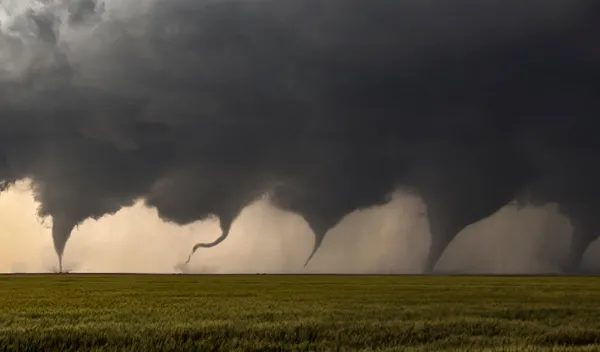
Tornado Salisbury MD: Severe Storm Warning, Tornado Threat, Damage Reports and Latest Weather Updates
Stay updated on the latest tornado threat in Salisbury, MD. Get the newest information on severe weather, storm damage, tornado warnings, safety tips, and what residents should know as conditions develop.
Tornado Salisbury MD: Latest Updates on the Severe Weather Threat
Residents across Salisbury, Maryland, are closely monitoring dangerous weather conditions as severe thunderstorms capable of producing tornadoes move through the region. Weather officials have urged residents to remain alert as rapidly changing conditions could lead to damaging winds, large hail, heavy rainfall, flash flooding, and possible tornadoes.
A tornado warning is one of the most serious weather alerts issued by meteorologists because it indicates that a tornado has either been spotted or detected by weather radar. Even if a tornado does not ultimately touch down, storms capable of producing one can still cause widespread damage.
Emergency management officials are encouraging everyone in Salisbury and nearby communities to stay informed through trusted weather sources while being prepared to take shelter immediately if warnings are issued.
Why Salisbury, Maryland Faces Tornado Risks
Although Maryland is not traditionally known for frequent tornadoes like states in the Great Plains, tornadoes do occur throughout the Mid-Atlantic region every year.
Salisbury’s location on Maryland’s Eastern Shore makes it susceptible to severe thunderstorms, particularly during the spring and summer months when warm, humid air collides with cooler air masses. These atmospheric conditions can create rotating thunderstorms known as supercells, which are capable of producing tornadoes.
Even weaker tornadoes can uproot trees, damage roofs, overturn vehicles, and knock out electrical service.
Severe Weather Expected Across the Region
Meteorologists are closely tracking storms capable of producing:
- Tornadoes
- Damaging straight-line winds exceeding 60 mph
- Large hail
- Frequent lightning
- Torrential rainfall
- Localized flash flooding
- Downed trees and power lines
Weather conditions can change within minutes, making it important for residents to monitor official forecasts throughout the day.
Possible Impacts in Salisbury
If a tornado develops near Salisbury, residents could experience:
- Structural damage to homes and businesses
- Fallen trees blocking roads
- Power outages
- Property damage from flying debris
- Travel disruptions due to heavy rain and flooding
- Emergency response activity throughout affected neighborhoods
The extent of damage depends on the tornado’s strength, path, and duration.
Tornado Safety Tips
If a tornado warning is issued for Salisbury:
- Move immediately to the lowest floor of a sturdy building.
- Stay in an interior room away from windows.
- Avoid mobile homes if possible and seek stronger shelter.
- Protect your head and neck using blankets, pillows, or a mattress.
- Do not attempt to watch the tornado from outdoors.
- If driving, seek a sturdy building rather than remaining inside your vehicle whenever safely possible.
Having multiple ways to receive emergency alerts—including weather apps, local media, and NOAA Weather Radio—can provide valuable extra minutes to take shelter.
Power Outages and Storm Cleanup
Strong thunderstorms often produce wind damage even when tornadoes do not occur.
Residents should prepare for possible:
- Extended power outages
- Fallen tree limbs
- Road closures
- Flooded intersections
- Delays to emergency services
After storms pass, officials advise avoiding downed power lines and reporting hazardous conditions to local authorities.
How Officials Monitor Tornadoes
The National Weather Service continuously monitors storms using Doppler radar, weather spotters, emergency managers, and public reports.
Warnings may be updated, expanded, or canceled as storms evolve. Residents should continue monitoring weather information even after the initial warning expires, as additional storms may develop.
Stay Prepared Throughout the Storm
Preparation remains the best defense against severe weather. Families should identify the safest room in their home, keep emergency supplies readily available, charge mobile devices before storms arrive, and review emergency plans with household members.
Because tornadoes can develop quickly, acting immediately when a warning is issued can significantly reduce the risk of injury.
Frequently Asked Questions (FAQ)
Is there a tornado in Salisbury, MD today?
Weather conditions can change rapidly. Monitor official National Weather Service alerts and local emergency management updates for the latest information on tornado warnings, watches, or confirmed tornadoes.
What is the difference between a tornado watch and a tornado warning?
A tornado watch means conditions are favorable for tornadoes to develop. A tornado warning means a tornado has been detected by radar or visually observed, and you should seek shelter immediately.
Can tornadoes happen in Maryland?
Yes. Maryland experiences tornadoes every year, especially during spring and summer when severe thunderstorms develop.
What should I do during a tornado warning?
Go to the lowest level of a sturdy building, move to an interior room without windows, and remain there until authorities indicate the threat has passed.
Can severe thunderstorms cause damage without a tornado?
Yes. Damaging straight-line winds, hail, lightning, and flash flooding can all cause significant damage even if no tornado forms.
Conclusion
The severe weather threat in Salisbury, Maryland, highlights the importance of staying weather-aware whenever strong storms move into the region. Whether a tornado ultimately develops or not, severe thunderstorms can still produce dangerous conditions capable of causing widespread damage and disrupting daily life.
Residents should continue monitoring official forecasts, have an emergency plan in place, and act immediately if tornado warnings are issued. Staying informed and prepared remains the best way to protect yourself and your family during severe weather events.