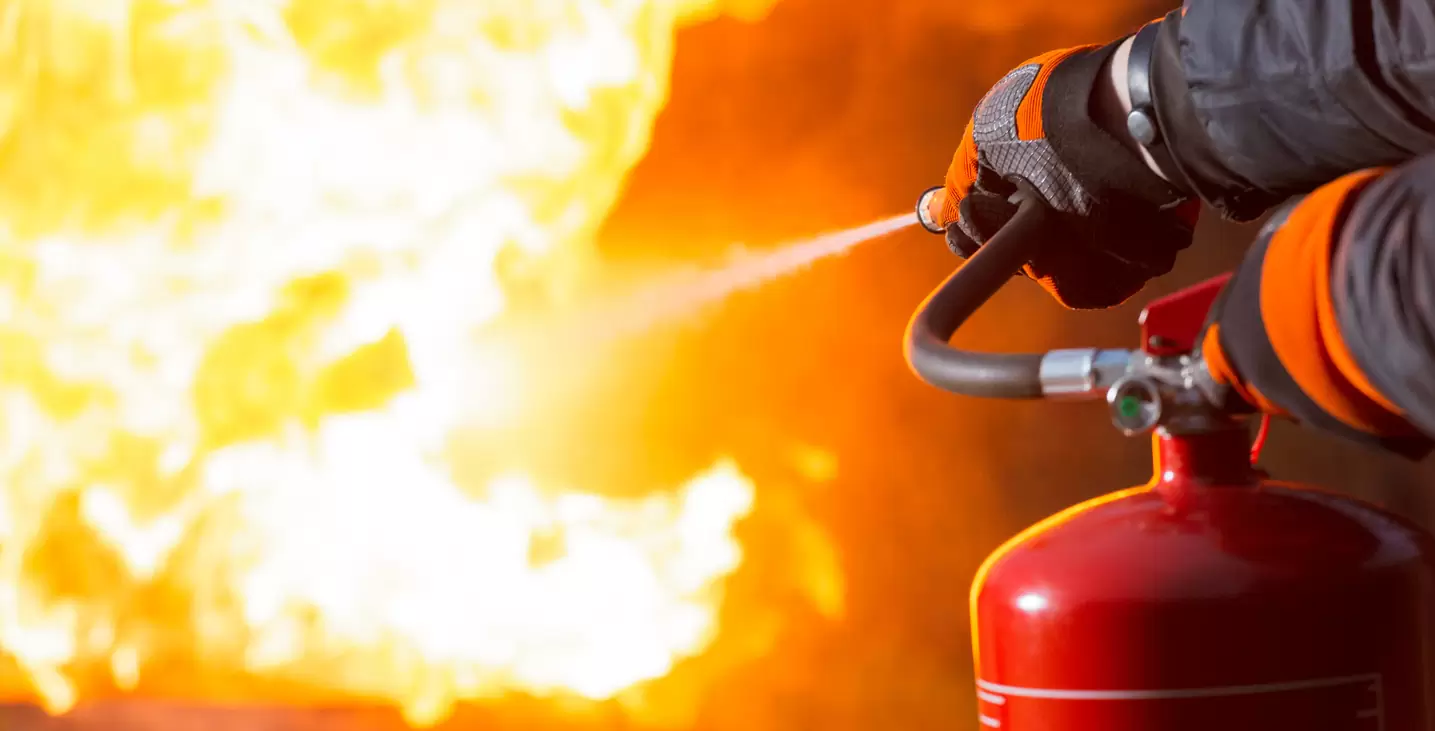
Miners Fire: Latest Updates, Causes, Safety Risks, and What We Know So Far
Looking for the latest information on the miners fire? Get the latest updates, possible causes, emergency response efforts, safety concerns, and everything currently known about the incident.
Miners Fire: Latest Updates on the Incident
A miners fire can quickly become one of the most dangerous emergencies in the mining industry, threatening workers, disrupting operations, and requiring complex rescue efforts. Whether the incident occurs in a coal mine, metal mine, or underground excavation site, fires underground present unique challenges due to limited escape routes, smoke accumulation, and hazardous gases.
Authorities and emergency response teams are continuing to investigate the latest miners fire, working to secure the affected area while prioritizing the safety of miners and rescue personnel. Officials are also assessing the extent of the damage and determining what may have caused the incident.
As investigations continue, more information is expected to become available regarding injuries, evacuations, operational impacts, and recovery efforts.
What Happened?
Emergency services responded after reports of a fire involving a mining operation. Initial reports indicate that emergency protocols were activated immediately, with mine operators coordinating closely with local fire departments, rescue specialists, and occupational safety officials.
Mining companies typically maintain strict emergency procedures for underground fires, including:
- Immediate evacuation of affected workers
- Activation of underground emergency communication systems
- Ventilation adjustments to control smoke
- Deployment of specialized mine rescue teams
- Continuous monitoring of air quality
Officials have not yet confirmed the exact sequence of events if the investigation remains ongoing.
Emergency Response Underway
Mine rescue operations differ significantly from traditional firefighting because underground environments contain unique hazards such as:
- Dense smoke
- Toxic gases
- Reduced oxygen levels
- Structural instability
- Explosive methane concentrations in some mines
- Limited visibility
Specialized mine rescue teams are trained to navigate these dangerous conditions using breathing apparatus, thermal imaging equipment, and underground communication systems.
Emergency crews continue working to ensure all affected areas are secured before allowing any return to normal operations.
Possible Causes of a Miners Fire
Investigators will examine several possible causes before determining what triggered the fire.
Potential causes include:
- Electrical equipment failure
- Conveyor belt overheating
- Mechanical friction
- Welding or maintenance work
- Combustible dust ignition
- Fuel or hydraulic fluid leaks
- Battery-related incidents
- Spontaneous combustion in coal deposits
At this stage, officials generally avoid speculation until forensic investigations are completed.
Safety Measures in Modern Mines
Mining companies invest heavily in fire prevention through:
- Fire detection systems
- Automatic suppression equipment
- Emergency refuge chambers
- Continuous gas monitoring
- Ventilation control systems
- Regular equipment inspections
- Worker emergency response training
These measures are designed to reduce the risk of major underground incidents while improving evacuation times during emergencies.
Rescue Operations and Worker Safety
The primary objective during any mine emergency is accounting for every worker.
Emergency responders typically focus on:
- Confirming worker locations
- Conducting underground searches
- Monitoring oxygen levels
- Checking structural integrity
- Preventing fire spread
- Protecting rescue personnel
Authorities often provide regular public updates as rescue efforts continue.
Investigation Begins
Following the emergency response, investigators will examine:
- Equipment maintenance records
- Mine ventilation performance
- Fire origin
- Electrical systems
- Safety compliance
- Employee witness statements
- Surveillance and monitoring data
The findings may help improve future mine safety standards and prevent similar incidents.
Impact on Mining Operations
Depending on the severity of the fire, mining operations may remain suspended while investigators complete their work.
Possible impacts include:
- Temporary production shutdowns
- Safety inspections
- Equipment replacement
- Environmental assessments
- Regulatory reviews
- Operational recovery planning
Production typically resumes only after safety officials determine that conditions are safe.
Why Underground Mine Fires Are Especially Dangerous
Unlike fires above ground, underground mine fires present several additional dangers:
- Smoke spreads rapidly through tunnels.
- Escape routes may become blocked.
- Toxic gases can accumulate quickly.
- Rescue operations require specialized equipment.
- Ventilation systems can influence fire behavior.
Because of these risks, mining companies conduct frequent emergency drills and maintain dedicated rescue capabilities.
Community and Industry Response
Mining incidents often prompt concern among workers’ families, local communities, labor organizations, and industry regulators.
Support services may be made available for affected employees and their families while authorities continue their investigation.
Industry experts also closely monitor such incidents to identify lessons that can improve safety practices across mining operations.
Latest Updates
Officials are expected to release additional information as investigators continue examining the miners fire. Updates may include:
- Cause of the fire
- Number of workers affected
- Rescue progress
- Injury information
- Operational status
- Safety recommendations
- Investigation findings
Authorities encourage the public to rely on official updates rather than unverified social media reports while the investigation remains active.
Frequently Asked Questions (FAQ)
What is the latest update on the miners fire?
Emergency responders continue managing the incident while investigators work to determine the cause. Officials are expected to provide further updates as more information becomes available.
What usually causes a mine fire?
Mine fires can result from electrical faults, machinery failures, combustible dust, overheating equipment, fuel leaks, welding operations, or spontaneous combustion in certain mining environments.
Are all miners safe?
Authorities typically focus first on accounting for all workers. Official statements will confirm whether everyone has been safely evacuated or if rescue operations remain ongoing.
Why are underground fires so dangerous?
Underground fires produce smoke, toxic gases, reduced oxygen levels, and limited escape routes, making evacuation and rescue significantly more challenging than above-ground fires.
When will the mine reopen?
Operations usually remain suspended until investigators complete inspections and safety officials determine the site is safe for workers to return.
Who investigates mining fires?
Investigations are typically conducted by mine operators, workplace safety regulators, fire investigators, and government mining authorities, depending on the jurisdiction.
Conclusion
A miners fire is a serious industrial emergency that demands an immediate, coordinated response from mine operators, emergency services, and safety regulators. While investigators work to establish the cause and assess the full impact of the incident, the priority remains protecting workers, supporting affected families, and ensuring the mine is safe before operations resume. As official updates are released, they will provide greater clarity on the cause, response efforts, and any long-term implications for the mining operation and surrounding community.