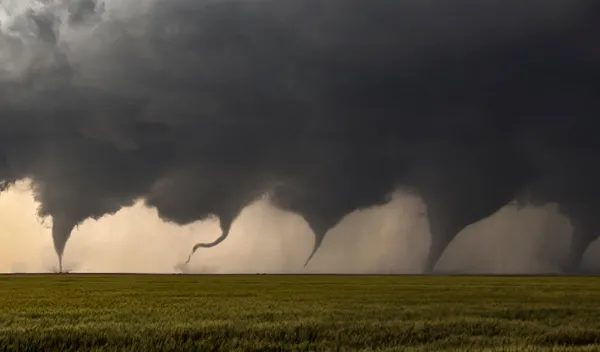
Edson Tornado Today: Live Updates on Damage, Weather Alerts, and Recovery Efforts
Residents across Edson, Alberta, are closely monitoring the aftermath of severe weather after reports of a possible tornado moved through the region. Emergency crews have been assessing damage, responding to calls for assistance, and urging residents to remain alert as unstable weather conditions continue across parts of central and western Alberta.
While officials continue investigating the full extent of the storm’s impact, the event has prompted widespread concern among local communities as images and videos of powerful winds, heavy rain, and debris circulate online.
What Happened During the Edson Tornado?
A powerful thunderstorm developed over the Edson area, producing dangerous weather conditions that included:
- Intense wind gusts
- Torrential rainfall
- Frequent lightning
- Large hail in some locations
- Reports of a possible tornado touchdown
Meteorologists continue reviewing radar data, eyewitness accounts, and storm surveys to determine whether the tornado has been officially confirmed and to assign an Enhanced Fujita (EF) rating if applicable.
Residents reported rapidly changing weather, dark rotating clouds, and flying debris as the storm moved across portions of the region.
Damage Reports from Edson
Initial reports indicate that strong winds caused damage in several areas, although assessments remain ongoing.
Reported impacts include:
- Fallen trees blocking roads
- Downed power lines
- Roof damage to homes and businesses
- Damaged fences and outbuildings
- Debris scattered across neighborhoods
- Localized power outages
Emergency crews continue inspecting affected areas to determine the full extent of structural damage.
Authorities encourage residents to avoid damaged locations until they are declared safe.
Emergency Response Underway
Local emergency responders, utility crews, and municipal officials have been working throughout the day to restore essential services and assist affected residents.
Current priorities include:
- Clearing roadways
- Restoring electrical service
- Assessing structural safety
- Assisting displaced residents
- Monitoring additional severe weather threats
Officials ask residents to report hazards such as fallen power lines, blocked roads, or damaged infrastructure immediately.
Weather Conditions Remain Unstable
Meteorologists warn that additional thunderstorms remain possible across portions of Alberta.
These storms could produce:
- Damaging straight-line winds
- Heavy rainfall
- Flash flooding
- Large hail
- Additional tornado development under favorable conditions
Residents are encouraged to continue monitoring official weather forecasts and emergency alerts throughout the day.
Safety Tips During a Tornado
If another tornado warning is issued:
- Move immediately to a basement or the lowest floor of a sturdy building.
- Stay away from windows and exterior walls.
- Protect your head and neck with blankets, pillows, or a helmet.
- Avoid driving into severe storms whenever possible.
- Keep a charged phone and emergency kit readily available.
- Continue monitoring weather alerts until authorities declare conditions safe.
Power Outages and Road Conditions
Severe storms often result in temporary infrastructure disruptions.
Residents may experience:
- Downed electrical lines
- Traffic delays
- Temporary road closures
- Internet and cellular service interruptions
Drivers should use extra caution and never drive across flooded roads or around barricades.
Community Recovery Efforts
Following severe weather, local organizations and volunteers frequently assist with cleanup and recovery.
Residents whose homes were damaged are encouraged to:
- Document all damage with photographs.
- Contact their insurance provider promptly.
- Follow guidance from local emergency management officials.
- Avoid entering unsafe buildings until they have been inspected.
Community recovery may continue for several days depending on the severity of the storm.
How Tornadoes Form in Alberta
Although Alberta is best known for its mountains and prairies, it is one of Canada’s most tornado-prone provinces.
Tornadoes typically develop when:
- Warm, humid air collides with cooler air masses.
- Strong wind shear creates rotating thunderstorms.
- Supercell thunderstorms intensify and produce rotating updrafts.
Peak tornado season generally occurs during late spring and summer when atmospheric conditions are most favorable.
Officials Continue Monitoring the Situation
Weather officials continue gathering information to determine whether the Edson storm produced a confirmed tornado and to assess its intensity.
Residents are encouraged to stay informed through official emergency alerts, municipal updates, and trusted weather sources as cleanup and recovery operations continue.
As additional information becomes available, authorities are expected to provide updated damage assessments, road conditions, and any necessary public safety advisories.
Frequently Asked Questions (FAQ)
Was there a tornado in Edson today?
Reports of a possible tornado have emerged following severe thunderstorms in the Edson area. Weather officials are reviewing radar data and conducting damage surveys to determine whether a tornado occurred and, if so, its official rating.
Has the tornado been confirmed?
Confirmation depends on post-storm surveys conducted by meteorologists. An official statement may be released once inspections are complete.
Were there injuries?
At the time of writing, officials continue assessing the situation. Residents should monitor updates from local authorities for the latest information.
What damage has been reported?
Initial reports include fallen trees, power outages, roof damage, damaged fences, and scattered debris. Damage assessments remain ongoing.
Are power outages expected?
Yes. Severe storms frequently cause outages due to damaged power lines and fallen trees. Utility crews are working to restore service where needed.
What should residents do now?
Stay informed through official weather alerts, avoid damaged areas, report hazards to local authorities, and prepare for the possibility of additional severe weather unt