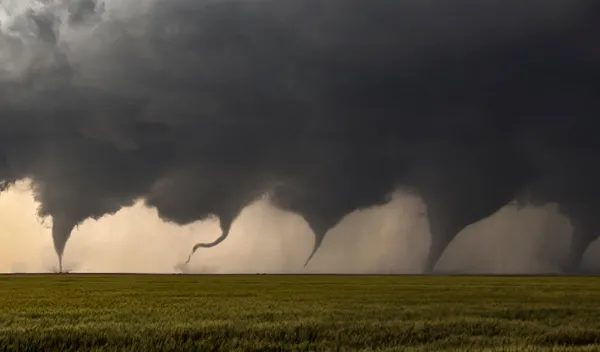
Tornado Warning Oakville: Residents Urged to Take Shelter as Severe Thunderstorms Threaten the Area
A tornado warning has been issued for Oakville as dangerous thunderstorms move through the region. Get the latest updates, safety advice, what the warning means, and how residents can stay safe.
A tornado warning in Oakville has prompted residents to seek immediate shelter as severe thunderstorms capable of producing damaging winds, large hail, torrential rain, and possible tornadoes move across southern Ontario.
Environment Canada and local emergency officials are closely monitoring rapidly changing weather conditions, urging everyone in the warning area to take the situation seriously. Tornado warnings are only issued when a tornado has been detected by weather radar or reported by trained spotters, making them one of the highest levels of weather alerts.
With unpredictable storm development, residents are encouraged to stay informed through official weather updates and be prepared for rapidly changing conditions.
Tornado Warning Issued for Oakville
The tornado warning affects Oakville and surrounding communities as a line of powerful thunderstorms sweeps through the region.
Meteorologists indicate that atmospheric conditions are favorable for rotating thunderstorms capable of producing tornadoes. Even if a tornado does not develop, these storms may still produce:
- Wind gusts exceeding 100 km/h
- Large hail capable of damaging vehicles and property
- Heavy rainfall causing localized flooding
- Dangerous lightning
- Falling trees and power outages
Officials stress that severe thunderstorms can strengthen quickly, leaving little time to react.
What a Tornado Warning Means
A tornado warning is significantly more serious than a tornado watch.
A tornado watch means weather conditions are favorable for tornado formation.
A tornado warning means a tornado has either been detected by radar or observed and immediate protective action should be taken.
If you are inside the warning area, do not wait to see a tornado before seeking shelter.
Safety Tips During the Tornado Warning
Residents should immediately:
- Move to the lowest level of a sturdy building.
- Stay in a basement if one is available.
- If no basement exists, shelter in a small interior room away from windows.
- Avoid mobile homes, temporary structures, and vehicles whenever possible.
- Protect your head and neck using blankets, pillows, or a mattress.
- Keep a flashlight, phone, and emergency supplies nearby.
- Monitor official weather alerts until the warning expires.
If driving, avoid attempting to outrun a tornado. Seek shelter in a substantial building if one is nearby.
Potential Impacts Across Oakville
Depending on how the storm evolves, residents could experience:
- Structural damage from high winds
- Downed trees blocking roads
- Power interruptions lasting several hours
- Damage to roofs, fences, and vehicles
- Flight delays or transportation disruptions
- Localized flooding in low-lying neighborhoods
Emergency crews remain prepared to respond should significant damage occur.
Why Southern Ontario Faces Tornado Threats
Although tornadoes are more commonly associated with the U.S. Midwest, southern Ontario experiences numerous tornadoes every year.
Warm, humid air colliding with cooler air masses creates favorable conditions for severe thunderstorms during the spring and summer months.
Communities including Oakville, Burlington, Hamilton, Mississauga, Milton, and the Greater Toronto Area occasionally experience tornado warnings during active severe weather outbreaks.
How Long Will the Tornado Threat Last?
The duration of the tornado warning depends on how quickly the storm system moves through the region.
Meteorologists will continue monitoring radar for any signs of tornado development or weakening storms. Once conditions improve, officials may cancel the warning or downgrade it to a severe thunderstorm warning.
Residents should continue following official weather updates and avoid assuming the danger has passed until authorities announce that the warning has ended.
Stay Prepared Throughout the Storm
During severe weather events, preparation can make a critical difference. Experts recommend:
- Keeping mobile devices fully charged.
- Having multiple ways to receive emergency alerts.
- Preparing an emergency kit with water, food, medications, and flashlights.
- Staying away from windows during severe storms.
- Checking on elderly family members and neighbors after the storm has safely passed.
Frequently Asked Questions (FAQ)
Why was a tornado warning issued for Oakville?
A tornado warning was issued because weather radar or trained observers indicated that a thunderstorm capable of producing a tornado was affecting the area.
What should I do during a tornado warning?
Immediately move to the lowest floor of a sturdy building, stay away from windows, and monitor official weather updates until the warning expires.
Is a tornado warning more serious than a tornado watch?
Yes. A tornado watch means conditions are favorable for tornadoes, while a tornado warning means a tornado has been detected or is strongly indicated by radar.
Can severe thunderstorms cause damage even without a tornado?
Yes. Severe thunderstorms can produce destructive winds, large hail, dangerous lightning, flash flooding, and fallen trees even if no tornado forms.
How can I stay updated on the tornado warning?
Monitor official weather alerts, local emergency management agencies, trusted local news outlets, and weather apps for the latest information and instructions.
Conclusion
The tornado warning for Oakville serves as an important reminder that severe weather can develop rapidly and pose significant risks to life and property. Residents should treat the warning seriously, move to safe shelter immediately, and continue monitoring official weather information until authorities confirm the threat has passed. Staying informed and acting quickly are the best ways to protect yourself and your family during severe weather emergencies.