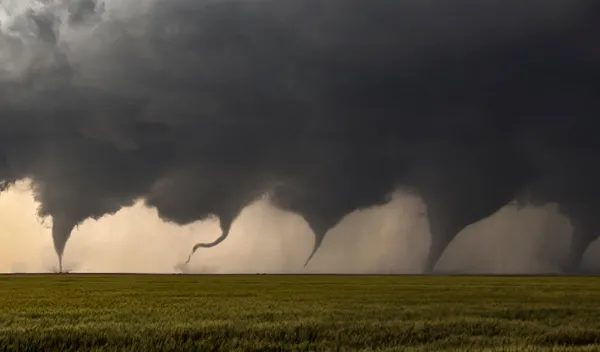
Tornado Rocky Mountain House: Residents Urged to Take Shelter as Severe Storms Sweep Through Central Alberta
Residents in and around Rocky Mountain House, Alberta, are closely monitoring rapidly changing weather conditions as severe thunderstorms capable of producing tornadoes move across the region. Weather officials have warned that the atmosphere is highly unstable, creating favorable conditions for damaging winds, large hail, torrential rainfall, and the potential development of tornadoes.
Emergency officials are encouraging everyone in the affected areas to remain alert, closely monitor weather updates, and be prepared to take immediate shelter if a tornado warning is issued or if threatening weather approaches.
Why Rocky Mountain House Is Facing Severe Weather
Rocky Mountain House sits in an area that can experience intense summer thunderstorms when warm, humid air collides with cooler air masses moving east from the Rocky Mountains. These conditions can create powerful supercell thunderstorms capable of producing:
- Tornadoes
- Wind gusts exceeding 100 km/h
- Large hail
- Frequent lightning
- Heavy rainfall leading to localized flooding
Meteorologists continuously monitor storm development using weather radar, satellite imagery, and storm spotter reports to determine whether tornadoes are forming.
Tornado Threat Explained
A tornado develops when rotating air within a severe thunderstorm extends toward the ground. Although not every severe thunderstorm produces a tornado, storms showing strong rotation can quickly become dangerous.
Residents should remember that tornadoes may:
- Develop with very little warning.
- Be hidden by heavy rain.
- Move rapidly across open areas.
- Cause significant damage within minutes.
Even if a tornado never reaches the ground, severe thunderstorms can still produce destructive straight-line winds capable of damaging homes, trees, vehicles, and power infrastructure.
Potential Impacts Around Rocky Mountain House
Depending on storm intensity, communities could experience:
- Downed trees and power lines
- Power outages
- Roof and siding damage
- Flying debris
- Dangerous driving conditions
- Flash flooding in low-lying areas
- Agricultural damage from hail
Travelers should exercise caution, especially on highways where visibility may suddenly decrease because of heavy rain or blowing debris.
Tornado Safety Tips
If a tornado warning is issued:
- Move immediately to the lowest level of a sturdy building.
- Stay away from windows and exterior walls.
- Shelter in a basement if available.
- If no basement exists, choose a small interior room such as a bathroom or closet.
- Protect your head and neck using blankets, pillows, or a mattress.
- Keep a charged mobile phone and emergency supplies nearby.
If you’re driving:
- Never attempt to outrun a tornado if it is approaching.
- Seek shelter inside a substantial building whenever possible.
- Avoid parking beneath bridges or overpasses.
Emergency Preparedness
Families should prepare an emergency kit that includes:
- Bottled water
- Non-perishable food
- Flashlights
- Extra batteries
- Portable phone chargers
- First-aid supplies
- Prescription medications
- Battery-powered weather radio
Being prepared before severe weather arrives can significantly improve safety during rapidly changing conditions.
How Officials Monitor Tornadoes
Weather experts rely on multiple tools to track developing storms, including:
- Doppler weather radar
- Satellite observations
- Lightning detection networks
- Storm spotters
- Public weather reports
Warnings may be updated frequently as storms evolve, making it important to monitor trusted weather information throughout the event.
What Residents Should Do Now
Residents around Rocky Mountain House should:
- Stay informed through official weather alerts.
- Delay unnecessary travel during severe storms.
- Secure outdoor furniture and loose objects.
- Charge electronic devices.
- Prepare for possible power outages.
- Have multiple ways to receive emergency notifications.
After the Storm
Once severe weather passes:
- Stay clear of damaged buildings.
- Watch for downed power lines.
- Report emergencies to local authorities.
- Continue monitoring official updates in case additional storms develop later in the day.
Even after one storm moves through, atmospheric conditions may remain favorable for additional severe thunderstorms.
Frequently Asked Questions (FAQ)
Is there a tornado warning for Rocky Mountain House?
Weather alerts can change rapidly. Residents should monitor official forecasts and emergency notifications for the latest tornado warnings or watches affecting Rocky Mountain House.
What’s the difference between a tornado watch and a tornado warning?
A tornado watch means conditions are favorable for tornado development. A tornado warning means a tornado has been detected by radar or reported and immediate shelter should be taken.
Can severe thunderstorms occur without a tornado?
Yes. Severe thunderstorms can produce damaging winds, large hail, dangerous lightning, and flash flooding even if no tornado forms.
What should I do during a tornado warning?
Go to the lowest level of a sturdy building, stay away from windows, and protect your head and neck until the warning expires.
Can tornadoes occur in Alberta?
Yes. Alberta experiences tornadoes every year, particularly during the summer months when atmospheric conditions become favorable for severe thunderstorms.
How can I stay updated?
Monitor official weather services, local emergency alerts, trusted news outlets, and weather apps for real-time information and safety guidance.
Conclusion
The severe weather threat affecting Rocky Mountain House serves as a reminder that summer storms can intensify rapidly across central Alberta. While not every severe thunderstorm produces a tornado, the potential for dangerous weather means residents should remain vigilant, follow official warnings, and be ready to take protective action if conditions worsen. Staying informed and having an emergency plan can make a critical difference during rapidly evolving severe weather events.