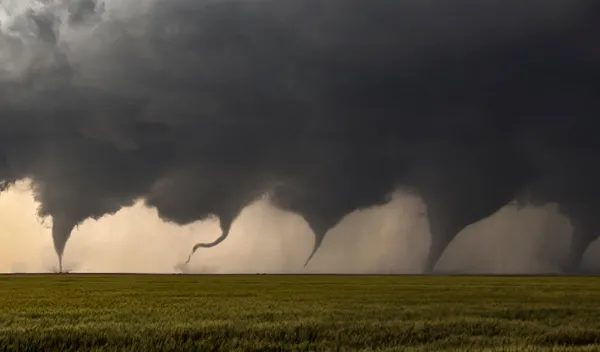
Tornado Warning Allentown, PA: Live Updates on Severe Weather Threat
A tornado warning has been issued for the Allentown, Pennsylvania area, prompting residents to take immediate precautions as severe thunderstorms move across eastern Pennsylvania. A tornado warning indicates that a tornado has either been spotted or detected by weather radar, creating an immediate threat to life and property.
Emergency officials urge everyone in the warning area to seek shelter immediately, monitor local weather alerts, and avoid unnecessary travel until the threat has passed.
Why the Tornado Warning Was Issued
Meteorologists identified a powerful thunderstorm capable of producing a tornado near the Allentown region. The storm is also capable of generating:
- Damaging wind gusts exceeding 70 mph
- Large hail
- Torrential rainfall
- Frequent lightning
- Localized flash flooding
- Flying debris capable of causing serious injuries
Residents should remain indoors and stay away from windows until authorities declare the warning has expired.
Areas Potentially Affected
The tornado warning may include portions of:
- Allentown
- Bethlehem
- Easton
- Whitehall Township
- Emmaus
- Macungie
- Catasauqua
- Northampton
- Lehigh County
- Northampton County
The exact warning area may change as the storm moves.
What Is the Difference Between a Tornado Watch and Tornado Warning?
Many residents confuse these weather alerts.
Tornado Watch
A tornado watch means atmospheric conditions are favorable for tornado development. Stay alert and be prepared to act quickly.
Tornado Warning
A tornado warning means a tornado has been detected by radar or observed by trained weather spotters. Immediate shelter is necessary.
A tornado warning requires immediate action.
How to Stay Safe During a Tornado Warning
Emergency management officials recommend taking the following steps immediately:
Go to the Lowest Floor
Move to a basement if available.
Choose an Interior Room
If there is no basement, move to a small interior room or hallway away from windows.
Protect Yourself
Use blankets, pillows, or a mattress to protect your head and neck from falling debris.
Avoid Windows
Flying glass is one of the leading causes of injuries during tornadoes.
Stay Informed
Continue monitoring weather updates using local television, weather radio, or trusted weather apps.
Travel Safety
If you are driving:
- Never attempt to outrun a tornado.
- Do not shelter beneath an overpass.
- If safe, seek shelter inside a sturdy building.
- If no shelter exists, lie flat in a low-lying area while protecting your head.
Possible Impacts
The severe weather could produce:
- Downed trees
- Power outages
- Roof damage
- Structural damage
- Flooded roadways
- Dangerous travel conditions
Utility crews and emergency responders may begin damage assessments once conditions become safe.
What Happens After the Warning Ends?
Even after the tornado warning expires:
- Watch for downed power lines.
- Avoid flooded streets.
- Report storm damage to local authorities.
- Continue monitoring weather forecasts, as additional warnings may be issued if more storms develop.
Preparing for Future Severe Weather
Every household should maintain an emergency preparedness kit containing:
- Flashlights
- Extra batteries
- First aid supplies
- Drinking water
- Non-perishable food
- Cell phone chargers
- Prescription medications
- Important documents in waterproof containers
Having a family emergency plan can also improve safety during rapidly changing weather conditions.
Frequently Asked Questions (FAQ)
Why was a tornado warning issued for Allentown, PA?
A tornado warning is issued when weather radar indicates rotation consistent with a tornado or when a tornado has been reported by trained observers.
Is a tornado warning more serious than a tornado watch?
Yes. A tornado warning means a tornado is imminent or already occurring, while a watch means conditions are favorable for tornado development.
What should I do during a tornado warning?
Immediately move to the lowest level of a sturdy building, stay away from windows, and monitor official weather updates until the warning expires.
Can tornadoes occur in Pennsylvania?
Yes. Pennsylvania experiences tornadoes every year, particularly during the spring and summer severe weather season.
What are the biggest dangers during a tornado?
The greatest risks include flying debris, collapsing structures, falling trees, and damaging straight-line winds.
When is it safe to leave shelter?
Remain sheltered until local emergency officials or the National Weather Service indicate the warning has ended and it is safe to leave.
Final Thoughts
A tornado warning for Allentown, Pennsylvania, should always be taken seriously. While not every warning results in a confirmed tornado, the conditions that trigger these alerts can produce dangerous weather capable of causing significant damage and threatening lives. Residents are encouraged to stay informed, seek shelter immediately when warnings are issued, and follow guidance from local emergency management officials until the threat has passed.
By preparing in advance and acting quickly, individuals and families can significantly improve their safety during severe weather events.
Tornado Warning Allentown PA: Latest Updates, Storm Track, Safety Tips, and What Residents Need to Know
Meta Description: A tornado warning has been issued for the Allentown, Pennsylvania area. Get the latest updates, affected locations, storm timing, safety advice, and what residents should do immediately.
A tornado warning in Allentown, Pennsylvania, is one of the most serious weather alerts issued by the National Weather Service (NWS). Unlike a tornado watch, which means conditions are favorable for tornadoes to develop, a tornado warning means a tornado has either been spotted or detected by weather radar and residents should take immediate action.
As severe thunderstorms move across eastern Pennsylvania, emergency officials are urging residents in Allentown and surrounding communities to seek shelter and closely monitor official weather updates. Strong winds, large hail, heavy rainfall, dangerous lightning, and flash flooding may accompany the storm system.
Tornado Warning Issued for Allentown, PA
The National Weather Service issued the tornado warning after radar indicated a rotating thunderstorm capable of producing a tornado. Meteorologists continue to track the storm as it moves through portions of Lehigh County and neighboring areas.
Residents are advised to:
- Move immediately to a basement or an interior room on the lowest floor.
- Stay away from windows and exterior walls.
- Avoid driving during the warning unless absolutely necessary.
- Monitor local emergency alerts through NOAA Weather Radio, television stations, or trusted weather apps.
The warning remains in effect until weather officials determine the threat has passed.
Areas That Could Be Affected
Depending on the storm’s movement, communities potentially impacted include:
- Allentown
- Bethlehem
- Emmaus
- Whitehall Township
- South Whitehall Township
- Macungie
- Catasauqua
- Other nearby parts of Lehigh and Northampton counties
Residents throughout eastern Pennsylvania should remain alert as severe weather conditions can change rapidly.
What Is the Difference Between a Tornado Watch and a Tornado Warning?
Many people confuse these two alerts.
Tornado Watch
A tornado watch means atmospheric conditions are favorable for tornado development. Residents should prepare and monitor weather updates.
Tornado Warning
A tornado warning means a tornado is occurring or is imminent. Immediate shelter is necessary to protect life and property.
Potential Weather Hazards
The severe storm may produce:
- Tornado-strength winds exceeding 70 mph
- Damaging straight-line winds
- Large hail
- Heavy rainfall
- Frequent lightning
- Flash flooding in low-lying areas
- Downed trees and power lines
- Localized power outages
Emergency crews may respond to reports of storm damage as conditions allow.
How to Stay Safe During a Tornado Warning
Officials recommend taking these precautions immediately:
At Home
- Go to a basement if available.
- If no basement exists, move to a small interior room on the lowest floor.
- Stay away from windows.
- Cover yourself with blankets, mattresses, or a sturdy table for added protection.
In an Apartment
Move to the lowest level possible and seek shelter in an interior hallway or room.
In a Vehicle
If a tornado is nearby, do not attempt to outrun it in heavy traffic. Seek a sturdy building immediately. If no shelter is available, follow local emergency guidance and avoid overpasses.
Possible Storm Damage
If the tornado touches down, potential impacts could include:
- Roof damage
- Fallen trees
- Structural damage to homes and businesses
- Damaged vehicles
- Power outages
- Road closures
- Utility disruptions
Officials will conduct damage assessments once conditions become safe.
Power Outages Possible
Strong winds often knock down trees and power lines during severe storms.
Residents should prepare by having:
- Flashlights
- Extra batteries
- Fully charged mobile phones
- Portable power banks
- Emergency supplies
- Bottled water
- First-aid kits
Avoid touching fallen power lines and report outages to your local utility provider.
Travel Conditions May Become Dangerous
Heavy rain and damaging winds can quickly reduce visibility and create hazardous driving conditions.
Motorists should:
- Delay unnecessary travel.
- Never drive through flooded roadways.
- Watch for fallen trees and debris.
- Follow emergency road closure notices.
Emergency Officials Continue Monitoring Conditions
Local emergency management agencies and the National Weather Service continue monitoring storm development across eastern Pennsylvania.
Residents should stay informed through:
- National Weather Service alerts
- Local television stations
- County emergency management notifications
- NOAA Weather Radio
- Official weather applications
Weather warnings may be expanded, extended, or canceled as storm conditions evolve.
What Happens After the Warning?
Once the tornado warning expires, residents should remain cautious because:
- Additional storms may develop.
- Flooding can continue after heavy rainfall.
- Downed power lines remain hazardous.
- Emergency responders may still be assessing damage.
Wait for officials to announce that conditions are safe before returning outdoors.
Frequently Asked Questions (FAQ)
Why was a tornado warning issued for Allentown, PA?
A tornado warning is issued when a tornado has been detected by radar or visually confirmed, indicating an immediate threat to life and property.
Is Allentown under a tornado watch or warning?
A tornado warning represents a higher level of danger than a watch and requires immediate action.
What should I do during a tornado warning?
Take shelter immediately in a basement or an interior room on the lowest level of a sturdy building, away from windows.
Can I drive during a tornado warning?
Travel is discouraged unless absolutely necessary. Seek shelter if severe weather approaches.
How long do tornado warnings usually last?
Most tornado warnings remain in effect for 20 to 60 minutes, though they may be extended if