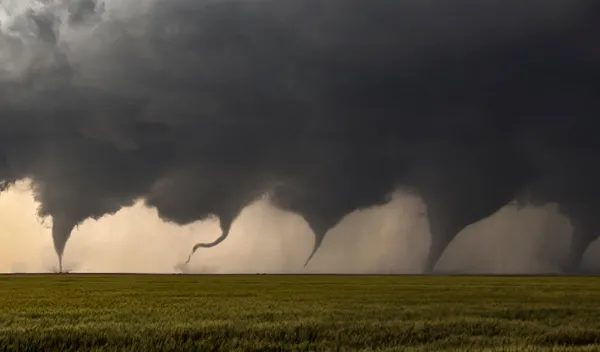
Tornado Warning Batavia NY: Live Updates, Storm Timeline, Safety Tips, and What Residents Need to Know Today
A tornado warning in Batavia, New York, is an urgent weather alert that requires immediate action. Unlike a tornado watch, which means conditions are favorable for tornadoes to develop, a tornado warning indicates that a tornado has been spotted or detected by weather radar and could pose an immediate threat to lives and property.
Residents in Batavia and surrounding areas should seek shelter immediately while monitoring the latest updates from local emergency management officials and the National Weather Service (NWS). Severe thunderstorms capable of producing damaging winds, large hail, flash flooding, and tornadoes may accompany the warning.
Tornado Warning Issued for Batavia, NY
Meteorologists have issued a tornado warning affecting portions of Batavia and Genesee County, urging residents to move to safe shelter immediately. Weather radar indicates a severe storm capable of producing a tornado, with dangerous conditions expected as the storm moves across western New York.
Officials are closely monitoring the storm’s path and will continue issuing updates as new information becomes available.
What a Tornado Warning Means
A tornado warning is the highest level of tornado alert issued by the National Weather Service.
It means one of the following has occurred:
- A tornado has been confirmed by trained weather spotters.
- Doppler radar has detected rotation indicating a tornado may be forming.
- Immediate protective action is necessary.
Anyone within the warning area should treat the threat as real, even if a tornado is not yet visible.
Areas Potentially Impacted
Depending on the storm’s movement, communities near Batavia could experience severe weather, including:
- Batavia
- Genesee County
- Nearby rural communities
- Major highways crossing the warning area
Storm tracks can shift rapidly, so residents should continue monitoring official forecasts throughout the event.
Expected Weather Hazards
The severe thunderstorm associated with the tornado warning may produce:
- Tornadoes
- Damaging straight-line winds exceeding 60–80 mph
- Large hail
- Frequent lightning
- Heavy rainfall
- Localized flash flooding
- Downed trees and power lines
- Power outages
- Reduced visibility for drivers
Even if a tornado does not develop, these hazards alone can create dangerous travel and outdoor conditions.
Safety Tips During a Tornado Warning
If you are under a tornado warning:
- Go to the lowest level of a sturdy building.
- Stay in an interior room away from windows.
- Avoid mobile homes if possible; relocate to a stronger shelter.
- Protect your head and neck using blankets, pillows, or a helmet.
- Do not remain inside a vehicle if a tornado is approaching.
- Avoid bridges and highway overpasses.
- Keep a battery-powered weather radio or emergency alerts enabled on your phone.
If you are caught outdoors with no shelter, seek the lowest available ground while protecting yourself from flying debris.
Potential Travel Impacts
Drivers throughout Batavia and western New York should prepare for rapidly changing weather conditions, including:
- Ponding water on roads
- Fallen tree limbs
- Traffic delays
- Power outages affecting traffic signals
- Poor visibility due to torrential rainfall
Officials advise postponing unnecessary travel until storms move through the region.
Emergency Officials Monitoring Conditions
Local emergency management agencies continue monitoring weather conditions alongside the National Weather Service. Additional warnings or extensions may be issued if storms strengthen or change direction.
Residents should avoid relying solely on outdoor warning sirens and instead monitor multiple trusted sources for weather information.
How to Prepare for Severe Weather
Every household should have an emergency plan that includes:
- Flashlights with extra batteries
- Portable phone chargers
- Drinking water
- First aid supplies
- Emergency medications
- Weather radio
- Important documents stored in waterproof containers
Preparation before severe weather arrives can significantly reduce risks during rapidly developing storms.
When Will the Storm End?
The exact timing depends on how quickly the storm system moves through Genesee County. Weather officials continue tracking radar and atmospheric conditions throughout the day and will issue updated forecasts if additional severe thunderstorms develop.
Residents should remain indoors until the tornado warning has expired and local authorities indicate that conditions have improved.
Frequently Asked Questions (FAQ)
Is Batavia, NY currently under a tornado warning?
If the National Weather Service has issued a tornado warning for Batavia, residents should seek shelter immediately and continue monitoring official weather updates.
What’s the difference between a tornado watch and a tornado warning?
A tornado watch means tornadoes are possible. A tornado warning means a tornado has been detected or is imminent, requiring immediate protective action.
Can severe thunderstorms produce tornadoes?
Yes. Many tornadoes develop from severe thunderstorms with strong rotating updrafts known as supercells.
Should I drive during a tornado warning?
No. Travel should be avoided unless absolutely necessary. Roads can quickly become dangerous because of heavy rain, debris, flooding, and damaging winds.
Where is the safest place during a tornado?
A basement is the safest option. If no basement is available, go to an interior room on the lowest floor of a sturdy building, away from windows.
Conclusion
A tornado warning for Batavia, NY, is a serious weather emergency that should never be ignored. Whether the storm ultimately produces a confirmed tornado or only severe thunderstorms, residents should prioritize safety by taking shelter immediately, avoiding unnecessary travel, and staying informed through official weather updates. Remaining alert until the warning expires is the best way to protect yourself and your family during severe weather.